

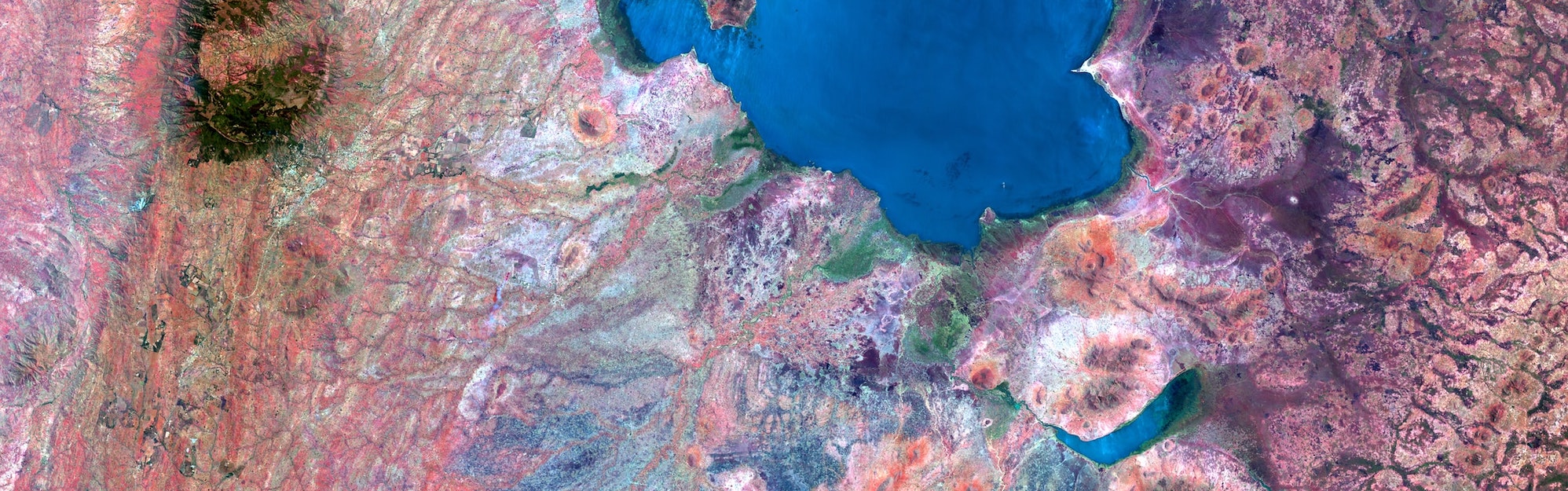

Things to do in Lake Malawi
This UNESCO World Heritage Site is by far the most popular destination in Malawi. The main activities along the lake shore are freshwater diving and snorkelling, game viewing, kayaking, boat rides to various islands and beaches, fishing, horse-riding and sunbathing.
In most of the tourist hubs mentioned below, it's possible to enjoy the resort attractions of watersports and well-tended beaches, as well as shopping in craft markets and homestays with local families.
Tourist facilities are varied, with some luxury resorts offering an all-inclusive experience and other areas remaining largely non-commercialised. ATMs are available here and there and credit card acceptance is on the rise, but neither should be relied upon when exploring the Lake Malawi region. It's best to find out in advance from your resort what to expect and arrange accordingly.
Most of the lake is accessed by short dirt roads leading off the tarred roadways that run its length. Outside of the dry season (May to October) these dirt roads can become difficult to traverse. Even in the dry months, a 4x4 vehicle is required for those planning extensive travels.
Although the infrastructure is not always impressive, getting around is comparatively easy, especially as the locals are generally friendly and helpful. Lake Malawi is also pleasantly uncrowded, despite its undeniable appeal, and visitors seldom struggle with reservations for accommodation, restaurants and activities.
Lake Malawi National Park
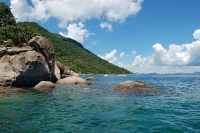
Established in 1980, Lake Malawi National Park is listed as a UNESCO World Heritage Site for its importance in the study of evolution. The lake is said to contain the largest numbe…
Lake Malawi National Park
Established in 1980, Lake Malawi National Park is listed as a UNESCO World Heritage Site for its importance in the study of evolution. The lake is said to contain the largest number of fish species, nearly all endemic, of any lake in the world. 4th-century Iron Age sites have been found in the area, while mammals found in the region include baboons, vervet monkeys, spotted hyenas, leopards, and the occasional elephant. The varied bird life includes black eagles, fish eagles, and many waders. Reptiles include the African python, crocodiles, and abundant water monitor lizards, especially on Boadzulu Island. At Cape Maclear, within Lake Malawi National Park, there are a variety of upmarket operations combining accommodation with lake activities. Danforth Yachting has a lakeside lodge and a 38ft catamaran available to visitors. Mumbo Island and Domwe Island camps offer pleasant island retreats, while Cape Mac Lodge also offers accommodation and activities out of Chembe village. Pumulani is also considered one of the lake's finest lodge destinations. The National Park is on the scenic northern tip of the Nankhumba Peninsula, which divides the southern end of Lake Malawi, with a number of sandy bays including a fine beach near Chembe and Otter Point. There are marked seasonal variations in wind, temperature, and rainfall.
Cape Maclear
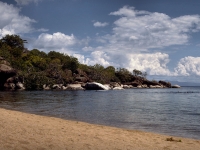
This unassuming tourist hub is the gateway to some of Lake Malawi's most popular upmarket lodges and camps, and therefore a very common entry point for those visiting the region. L…
Cape Maclear
This unassuming tourist hub is the gateway to some of Lake Malawi's most popular upmarket lodges and camps, and therefore a very common entry point for those visiting the region. Located on Lake Malawi, the small fishing village has an unusual layout, with the majority of the local fishermen living in the centre of the settlement. For travellers, this means that the everyday lives of rural Malawians are refreshingly on display in Cape Maclear, giving it a very authentic feel. Car rentals and bus services are available to get travellers to and from the town, although some roads are badly potholed, making 4x4 vehicles the most popular option.
Salima
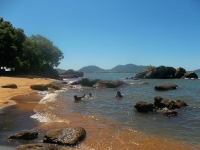
Salima, the most convenient entry point to Lake Malawi, is a one- to two-hour drive from Lilongwe. The town is home to some great holiday resorts, such as Sunbird Livingstonia Beac…
Salima
Salima, the most convenient entry point to Lake Malawi, is a one- to two-hour drive from Lilongwe. The town is home to some great holiday resorts, such as Sunbird Livingstonia Beach Resort, and boasts some picturesque beaches. Senga Beach, in Salima, is a popular weekend getaway for Lilongwe locals. Signposted just before Salima is Kuti Wildlife Park, which offers travellers campsites, A-frame chalets and a small restaurant, as well as bar and barbeque facilities. Animals found in the park include sable, nyala, zebra, wildebeest, ostrich, giraffe and waterbuck. If travellers plan to visit during the rainy season, they should be sure to take a 4x4 as the roads can become tricky, even during the dry season (May to October).
Likoma Island
Likoma Island is an isolated enclave of Malawi, completely surrounded by Mozambican waters, and was colonised by Anglican missionaries in the late 1800s. This island is a popular h…
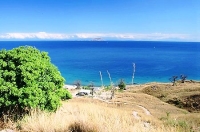
Likoma Island
Likoma Island is an isolated enclave of Malawi, completely surrounded by Mozambican waters, and was colonised by Anglican missionaries in the late 1800s. This island is a popular holiday destination, with beautiful beaches and iconic African scenery featuring baobab trees and open grasslands. One of the main man-made attractions on the island is the Anglican Cathedral, a large structure in the main town of Mbamba that was built out of stone by the missionaries in 1903. The beautiful, upmarket Kaya Mawa Hotel dominates the tourist trade on the island. The more budget-friendly Mango Drift Backpackers is also a popular choice, with a couple of guesthouses available. There are very basic dirt roads spanning Likoma Island, but most places can be reached on foot. The island's electricity, supplied by generators, is usually switched off at about 10pm each night.
Monkey Bay
A small port town on the southern end of Lake Malawi, Monkey Bay (Lusumbwe) gets its name from the large monkey population in the area, and spotting them can be great fun. Though p…
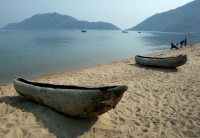
Monkey Bay
A small port town on the southern end of Lake Malawi, Monkey Bay (Lusumbwe) gets its name from the large monkey population in the area, and spotting them can be great fun. Though perhaps Malawi's best-known resort area, the facilities are minimal, with only a handful of shops, markets, and banking amenities catering to tourists. Popular with tourists headed to Cape Maclear, Monkey Bay offers sandy beaches with some diving opportunities and a few diving schools. Other popular activities in Monkey Bay include kayaking and cruises to Cape Maclear and Liwonde National Park.
Nkhotakota
A small and basic town on the shores of Lake Malawi, Nkhotakota has a traditional market and a few hotels and bars, but the main attractions for travellers are in the surrounding r…
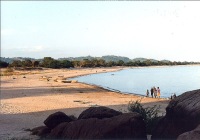
Nkhotakota
A small and basic town on the shores of Lake Malawi, Nkhotakota has a traditional market and a few hotels and bars, but the main attractions for travellers are in the surrounding region. The Nkhotakota Wildlife Reserve has hot springs and hippo pools. The beaches of Lake Malawi offer activities such as kayaking, snorkelling, and cruises, making Nkhotakota a good base for tourists wanting to explore the area. For those wanting to brush up on their handicap, the Kasasa Club in Nkhotakota has a golf course. Nkhotakota played an important part in Malawi's history as the place where David Livingstone met with slave traders in an attempt to end the slave trade in Malawi, and knowledgeable guides conduct walking tours of historical points of interest.
Nkhata Bay
Nkhata Bay is a busy fishing village on the shores of Lake Malawi, near Mzuzu. The town is well-placed for tourists to take advantage of the beaches at Chikale, where they can kaya…
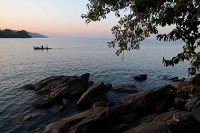
Nkhata Bay
Nkhata Bay is a busy fishing village on the shores of Lake Malawi, near Mzuzu. The town is well-placed for tourists to take advantage of the beaches at Chikale, where they can kayak, take day cruises, or dive and snorkel. The diving schools in Nkhata Bay are famously cheap but quality varies so it is best to get recommendations beforehand. Other attractions in Nkhata Bay include tours of the Kawalazi coffee plantation and Chombe rubber and tea plantations, or hiking up the cliff faces to watch the fish eagles feeding. There are a few craft markets in Nkhata Bay, and some bars and restaurants serving Malawian pizza and freshly caught fish. Nkhata Bay is the second busiest resort area on the lake, easily accessible by Malawian standards, and well-equipped for travellers, with a variety of accommodation being available.