

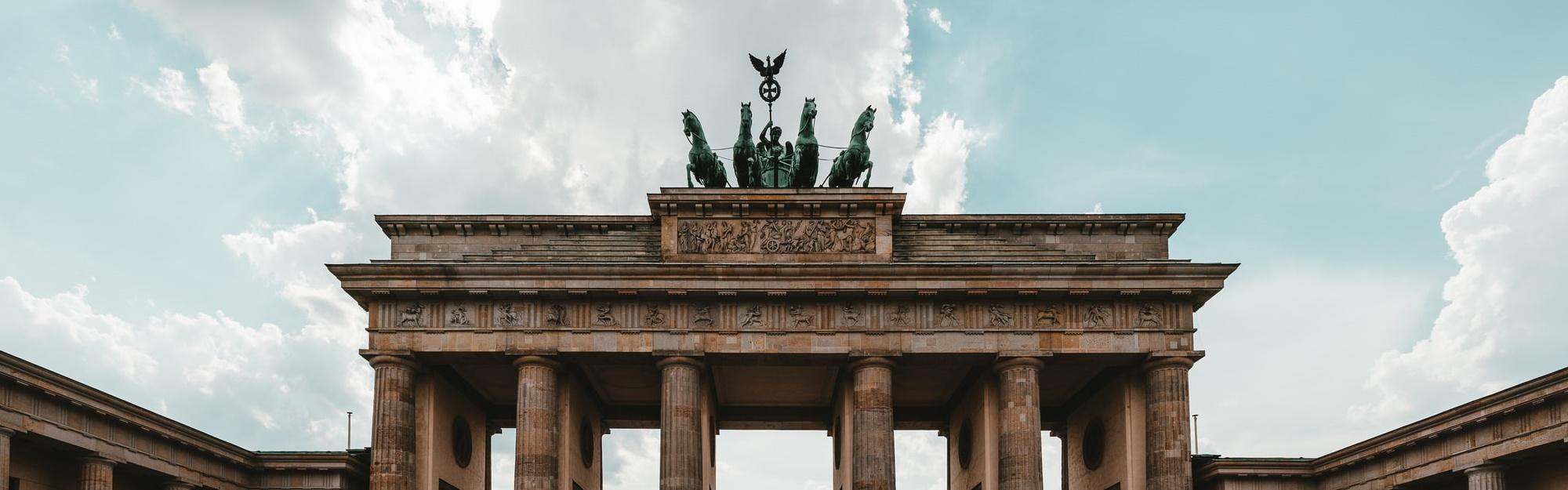

Berlin Travel Guide
For many, Berlin is the epitome of all that is great in German culture and this captivating city, a treasure trove of cultural attractions, is also at the heart of the global interest in Germany's turbulent history. Historically, Berlin is one of the most fascinating cities in the world and many people travel here primarily because they are curious about the dark mystique of the capital under Hitler, and the legacy of the Berlin Wall, which featured so prominently in the Cold War imagination. The city has been resurrected as an artistic, vibrant place, and has rapidly regained its pre-war reputation for being a party city. A holiday in Berlin attracts both sophisticated fun-lovers and voracious culture vultures, as there is a great balance between cultural treasures and exciting modern attractions. Visitors can pass through historic sites such as the famous Checkpoint Charlie, take a tour around the iconic Reichstag, or marvel at the splendours of the Charlottenburg Palace, with its impressive collections of art and beautiful gardens.
Berlin's famous cabarets and nightclubs are in full swing, and its opera and concert venues seldom miss a note; the nightlife in this special city will not disappoint. There are also plenty of shopping opportunities in the many great retail streets and malls, and foodies will be similarly delighted by the selection of quality restaurants in Berlin.
Best time to visit Berlin
Berlin is famed for its long, sunny summers (June to late August) and this is the best time to visit, when outdoor cafes in the parks and gardens (especially the Tiergarten) come alive with events. However, Berlin's cultural delights, such as its museums and galleries, make it a year-round destination. Even in winter, often the least popular season to travel in Europe, the Berlin Christmas Markets and New Year's celebrations make it a rewarding time to visit.
What to see in Berlin
-Visit the Allied Museum for an eye-full of interesting war memorabilia.
-Wander along the Berlin Wall's Eastside Gallery admiring the colourful art created in the name of freedom and brotherhood.
-Marvel at the magnificent Berlin Cathedral.
-Enjoy world-class contemporary art the Hamburger Bahnhof Gallery.
What to do in Berlin
-Stroll through the iconic Brandenburg Gate.
-Explore ancient worlds in the breath-taking Pergamon Museum.
-Take the kids to the endlessly popular Berlin Zoo-Aquarium.
-Shop in the exciting atmosphere of the Potsdamer Platz.
Beyond Berlin
Berlin is a great base from which to explore northern and central Germany and, in the unlikely event that visitors exhaust the attractions of the city, they can make use of Berlin's status as an efficient transport hub to travel further afield. The city of Dresden, which suffered terrible destruction during the war, is one of the most popular destinations in Germany and is within easy reach from the capital. Hamburg is also one of the biggest draws to Germany and attracts millions of visitors every year. A little further north is the picturesque town of Lubeck with its remarkable 13th-century architecture.
Getting there
There are flights to Germany from cities all over the world and the most popular airport is Berlin-Tegel Airport, situated a convenient five miles (8km) northwest of the centre of Berlin. Another option is to fly into Berlin Schonefeld Airport, which is situated in the area of the city previously designated as East Berlin, and is 11 miles (18km) southeast of the city centre. Berlin Schonefeld is often cheaper and a good alternative for budget travellers.
Did you know?
-Berlin is the most multi-cultural city in Germany.
-Berlin has about 1,700 bridges, more even than Venice.
-The first set of traffic lights in Europe went up in Potsdamer Platz.