


Mexico City Travel Guide
A frenzied, colourful and ancient city with both Aztec and Spanish influences, Mexico City is a fascinating but challenging destination. As one of the world's biggest cities and a hip and happening place to be, it's not surprising trendy travellers are increasingly choosing to holiday in Mexico City. The sprawling and untidy modern metropolis is spiced with ancient Aztec undertones. People are attracted to the city by its inexpensive restaurants, wild and varied nightlife, dozens of wonderful museums and colourful craft markets. Anyone who enjoys a fast-paced urban playground will relish a holiday in this rambunctious capital, but some travellers may find the bustling cityscape a bit overwhelming.
Mexico City is a day-trippers paradise, and many use it as a base for excursions to the nearby ancient city of Teotihuacán and the numerous charming colonial towns within easy reach. While some travellers visit the city as a transit point on a resort holiday, it's so vast and has so many worthwhile attractions that it's impossible to cover everything in a single holiday, let alone a single weekend.
Best time to visit Mexico City
The climate of Mexico City is generally mild year round, with the best time to travel during the warmest months of April and May. Winter (December, January) can be rather cold and the city's smog is at its worst during this period. The rainy season runs from May to October, but if travellers choose to holiday in Mexico City during this period, they should still have plenty of sunny days between the downpours.
What to see in Mexico City
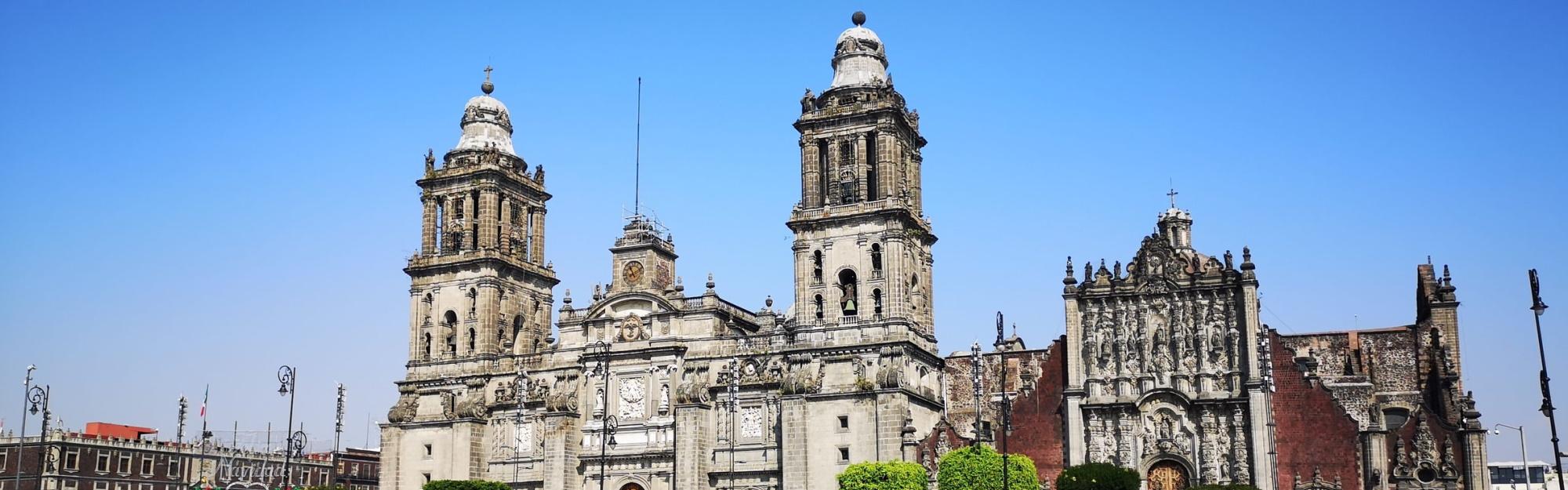
-See the cathedrals, palaces and artisans at El Zocalo, Mexico City's historic centre.
-Visit the impressive Templo Mayor, once the principal temple of the Aztecs.
-See the impressive stained glass hallways and fascinating displays at the National History Museum in Chapultepec Castle.
-Marvel at the UNESCO-listed ancient city of Teotihuacan, one of Mexico's must-see attractions.
What to do in Mexico City
-Stroll, picnic and museum-hop in the enormous Bosque de Chapultepec park.
-Take a bus to the picturesque colonial town of Guanajuato.
-Explore the charming suburb of San Angel, an artsy district full of cafes, museums and markets.
-Enjoy the bars, restaurants and dance clubs of Mexico City's party district, the Zona Rosa.
Beyond Mexico City
Mexico City is the main travel hub of the country and a common starting point for all sorts of Mexican holidays. One of the advantages of using the city as a base is the plethora of great daytrips made possible by the proximity of many interesting towns and natural attractions. Nearby towns such as Guanajuato, Tepotzotlan, Tlaxcala and Puebla are notable for their colonial features; a breathtakingly scenic road winds to Cuetzalan, 113 miles (182km) east of Mexico City; and Tepoztlan, an hour's drive south of the city, is wonderful for hiking and a taste of Aztec culture.
Getting there
Mexico City International Airport, officially called Benito Juarez International Airport, is situated six miles (10km) east of Mexico City and is the busiest airport in the country. In fact, it is so busy that it can be a frustrating airport and visitors should anticipate long queues. There are direct flights to Mexico City from London and a number of European cities, and numerous cheap flights from all over the US.
Did you know?
-Perhaps jealous of the coastal resorts, Mexico City has several artificial beaches.
-The National University of Mexico is the oldest university in North America.
-Mexico City is one of the most populous cities in the world.