

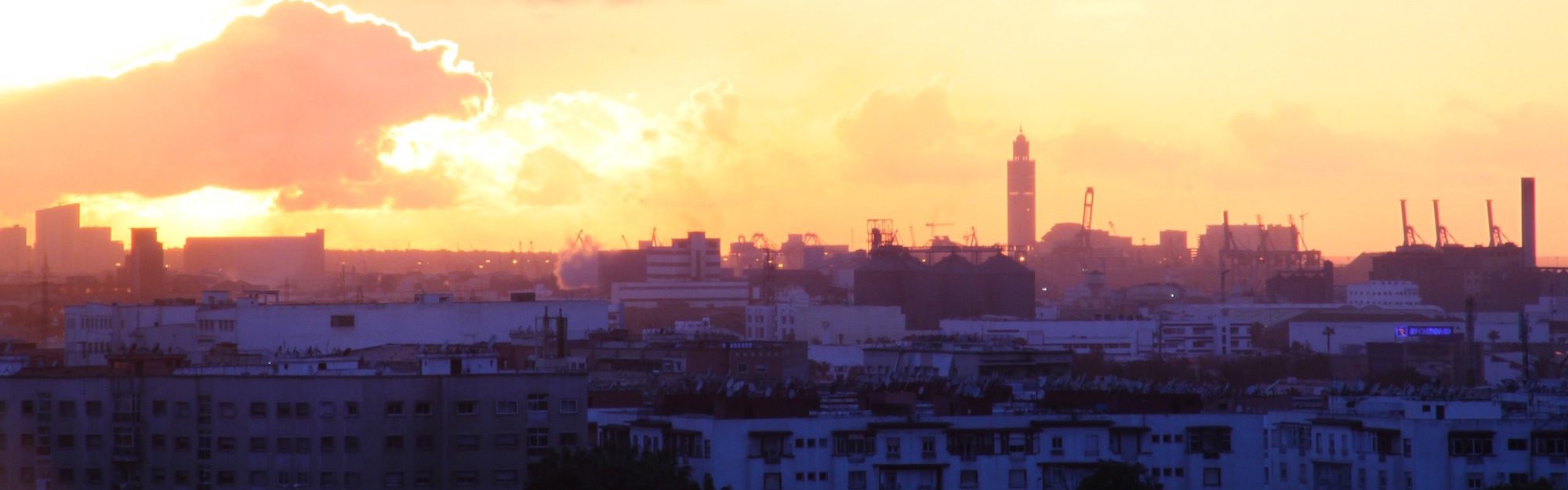

Casablanca Travel Guide
There's no need to guess where the port-city of Casablanca, meaning 'white house' in Spanish, got its name. Made famous by the classic film starring Humphrey Bogart, this cosmopolitan, white-walled city is Morocco's largest and most modern. The destination is not oriented towards tourists as much as Morocco's other large cities, but under the hustle and bustle lies a unique and charismatic history waiting to be discovered.
Founded by Berber fisherman over two thousand years ago, Casablanca was used by both the Phoenicians and the Romans as a port. The Portuguese then took over but, after destroying the city and rebuilding it, they abandoned it in the aftermath of an earthquake. The city went on to be rebuilt as Daru l-Badya (Arabic for Casablanca) by a Moroccan sultan, and was then given the name Casablanca by the Spanish traders who used the port, and it retains this function today as one of Africa's largest and most important ports.
As a centre for trade and, consequently, the mixing of cultures, Casablanca is unlike any other Moroccan city. Many women ditch the conservative clothing and dress themselves in the latest designer outfits. The infrastructure is modern and the city sophisticated. Casablanca is where Morocco's youth move to make something of their lives and is the centre for international trade and big business. For a glimpse of its history, downtown is the perfect place to admire the blend of French colonial architecture and traditional Moroccan design.