


Marrakech Travel Guide
Affectionately labelled the 'Paris of the Sahara', Marrakech is one of the most alluring urban travel destinations in the world:
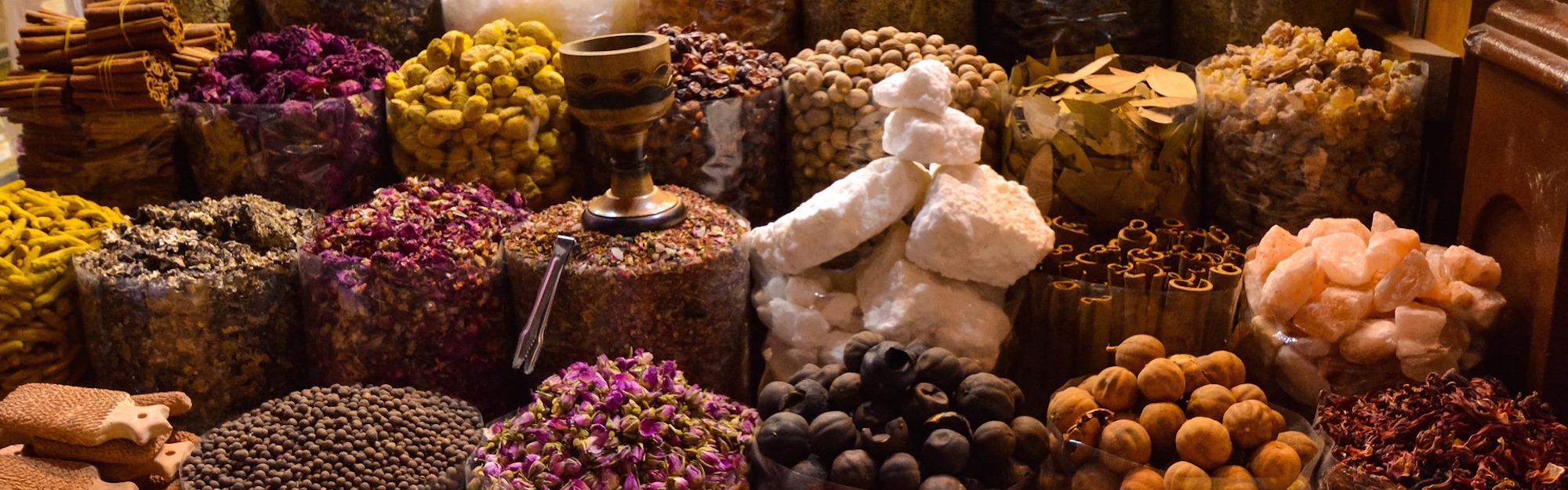
A mysterious, labyrinthine medina, snake charmers, acrobats, colourful bazaars, and ancient Moroccan architecture await travellers in Marrakech. The intoxicating city was once an ancient caravan trading post, and retains its traditional atmosphere alongside a lively, modern tourist trade that draws millions of visitors every year.
Marrakech is not always an easy destination. It can be a chaotic city that even the most seasoned travellers can find bewildering. However, the challenge is part of the appeal for many adventurers. The city's souks and restaurants are a treat, making Marrakech a great stop for foodies and shoppers. History buffs will find plenty to interest and enchant them, and those in search of a vibrant nightlife will not be disappointed. Anyone who has a yearning for exciting cultural destinations will be charmed by a holiday in Marrakech, which can feel like a trip back in time to medieval Morocco.
Best time to visit Marrakech
The sun shines nearly all year in Marrakech, which has a climate similar to the Mediterranean. Those who enjoy the heat should visit during July, but the best time to travel to Marrakech is during spring (April to June), when bright, blue skies contrast with the tangerine hue of the city's clay buildings, and temperatures are sublime.
What to see in Marrakech
-Marvel at the incredible interiors of the Ben Youssef Madrasa, once an Islamic college.
-Watch street performers and browse stalls at Djemma el-Fna, the city's main square.
-Wander through the Museum of Marrakech, housed in the Dar Menebhi Palace.
-Explore the ruins of the once magnificent El Badi Palace.
What to do in Marrakech
-Enter the medina through Bab Agnaou, the most ornate of the city's ancient gates.
-Stroll through the gardens of the famous Koutoubia Mosque and hear the haunting call to prayer.
-Take refuge from the heat in the stunningly colourful Majorelle Garden.
-Visit the Saadian Tombs, a 16th-century necropolis with beautiful mosaics.
Beyond Marrakech
Marrakech is a fantastic base for excursions into the Atlas Mountains and the Sahara Desert and there are numerous popular daytrips from the city. Visitors in search of a beach break can head to the popular resort city of Agadir; those who want to experience ancient Morocco can visit the UNESCO-listed Ait Benhaddou; to appreciate the natural beauty of the mountains, visitors can explore the Todra Gorge; and for a touch of skiing in the winter months, Oukaimeden is the place to be.
Getting there
Marrakech-Menara International Airport, situated about four miles (6km) southwest of Marrakech, is among the busiest airports in Morocco and can be a bit chaotic. There are direct flights to Marrakech from a number of cities in Europe and the UK and indirect flights from the United States.
Did you know?
- The name Marrakech is rooted in rooted in the Berber phrase, murr akush, meaning 'Land of God'.
- A second theory, that is not promoted by the tourist board, suggests the name comes from the Arabic words, murra kish, meaning "pass by quickly", a warning for travellers to watch out for thieves in the city.
-The classic Hitchcock movie, The Man Who Knew too Much, was filmed in Marrakech.