

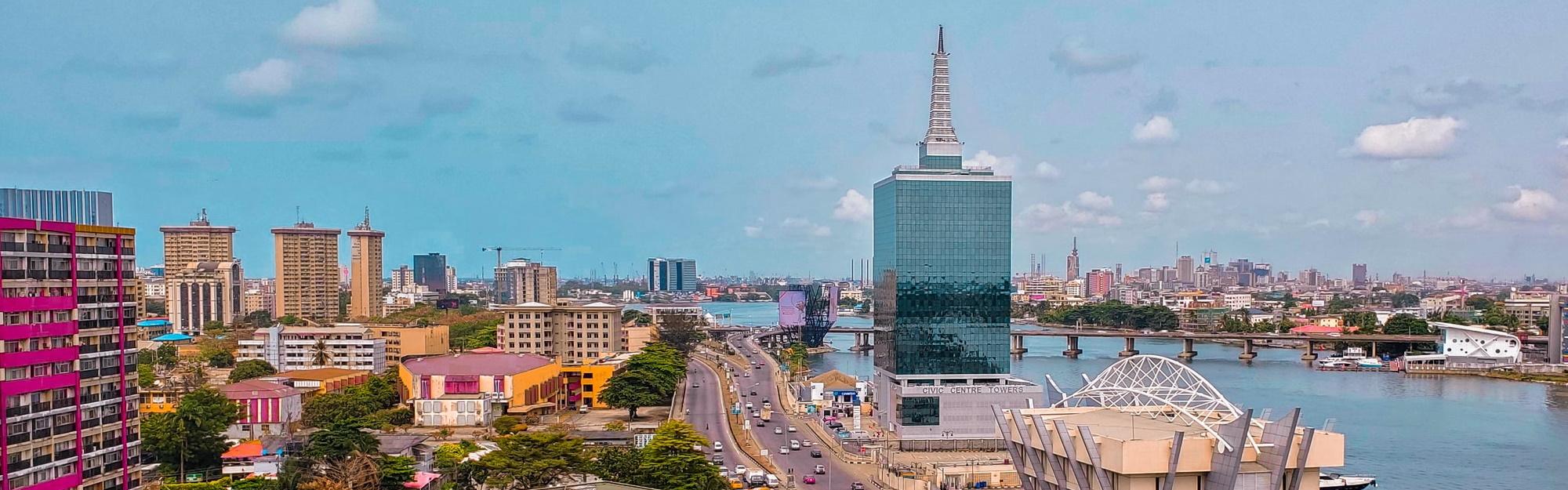

Lagos Travel Guide
One of the fastest growing cities in the world, Lagos is Nigeria's biggest, busiest city with a population of roughly 15 million, which was originally a small Yoruba settlement. Spread over the mainland near the Gulf of Guinea and several large islands on a vast lagoon, the city is Nigeria's principal port and its commercial and cultural centre.
The former capital grew to prominence when it became a central trading post for the Portuguese in the late 1400s, also serving as a major hub for the international slave trade. When the British annexed the city in 1861, they effectively put a stop to the slave trade but took control of trade and industry.
Once Nigeria gained independence in 1960, Lagos experienced a boom which swelled the city's population considerably. Today Lagos is home to a complex tapestry of religious and ethnic groups. The sprawling city is vibrant, crowded, and lacks any major tourism infrastructure, though the government is investing millions in upgrades to security and public transport.
Most visitors travel to Lagos for business and there are few tourist attractions in the city. However, those willing to put in some effort will have a unique and memorable experience. Streets are congested, drivers are maniacal and blackouts are common, but the complex history of the city, and Nigeria as a whole, contributes to its unique flavour. Lagos has an interesting National Museum, National Theatre, several colourful markets and some beautiful beaches to explore.