


Bucharest Travel Guide
Romania's capital since 1862, Bucharest is the country's largest and wealthiest metropolis. Tree-lined boulevards, classical buildings and extravagant public structures lie in juxtaposition to crowded streets, Stalinist apartment blocks and towering skyscrapers. It is a city where east meets west, where utilitarianism meets extravagance, and where business meets pleasure.
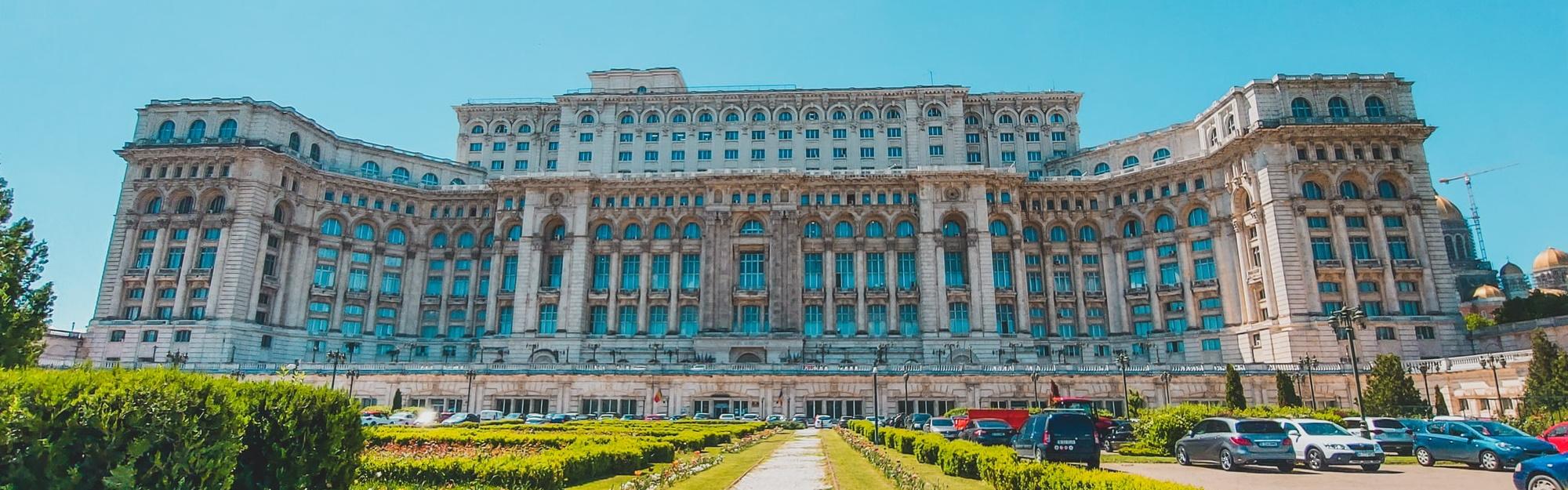
Once considered the 'Paris of the East' for its long leafy avenues, grand buildings and distinguished social scene enjoyed by the extravagant Romanian aristocracy, the city's elegance and beauty soon deteriorated under the harsh era of communism. The notorious redevelopment project launched by leader of the Communist Party, Nicolae Ceaușescu, in 1965 was a scandalous affair. In order to create an imitation Champs Elysee, a Civic Centre, and 12-storey palace for himself, he demolished an immense area of historic architecture in the old city, including 26 churches. The parliament building was designed to be the largest building in the world. Now known as the Palace of Parliament, it is the world's third-largest administrative building, and has become one of the city's prime tourist attractions.
The good news is that the capital of Romania is now experiencing a cultural revival; historic buildings have been restored and there is plenty of nightlife and an increasing amount of fun cultural events. It boasts a number of superb museums, galleries, exquisite Orthodox churches and other architectural delights. Its political legacy leaves a fascinating selection of sites where visitors can rediscover the events of its storied and difficult past.
Traditional Romanian cooking can be savoured alongside international cuisine and, in summer, festive beer gardens and picturesque parks are filled with cheerful crowds. A getaway to Bucharest is sure to be a treat.