


Dakar Travel Guide
Situated on the tip of the Cape Verde Peninsula in western Senegal, Dakar is a surprisingly lively and bustling capital. It boasts luxurious hotels, beaches and watersports, as well as casinos, a wide range of restaurants and an active nightlife scene. This modern metro is also one of the busiest ports for cruise ships in Africa.
Dakar has always been the capital city of the country, including during the three centuries of French colonialism and also since independence in 1960. The country has retained strong ties with France, with strong French influence still visible in the architecture of the city, where well-preserved colonial buildings, the monumental government house and café terraces stand testimony to its past.
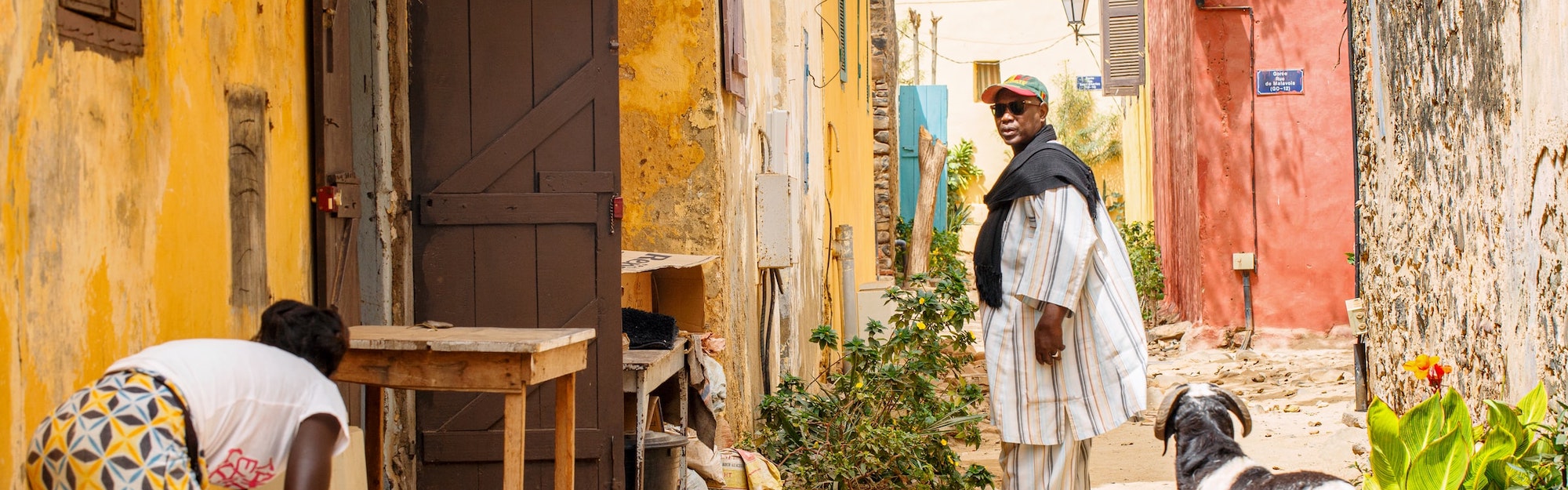
For history enthusiasts, Goree Island, a UNESCO Historical Monument, is a must-see. Here, the painful and violent truths of Senegal's slave trade past comes alive in 'La Maison des Enclaves' with its cells, shackles and slave dealers' apartments. There are also the many museums housed in former slave houses, and the forts built to protect the lucrative business.
The architecture in central Dakar is an attraction in itself; there are some beautiful buildings in and around the city, including the city's cathedral and grand mosque. However, the most famous site in Dakar is the controversial African Renaissance Monument, a massive sculpture representing Africa's emergence from slavery and colonialism.
Another great way to enjoy an afternoon in Dakar is by browsing the busy markets or having a picnic in one of the beautiful parks. Hann Park and Zoo is a great place to take the kids, and the astonishing colours of Lake Retba make for a beautiful and intriguing sight for visitors of all ages.
Dakar is a mixture of the old and the new, retaining its traditional values while also developing into the country's main economic hub. Those interested in the history of the region will not be disappointed, as it actively engages and explores its history under slavery and colonial oppression.