

Country guides
 Asia
Asia
Things to do in Philippines
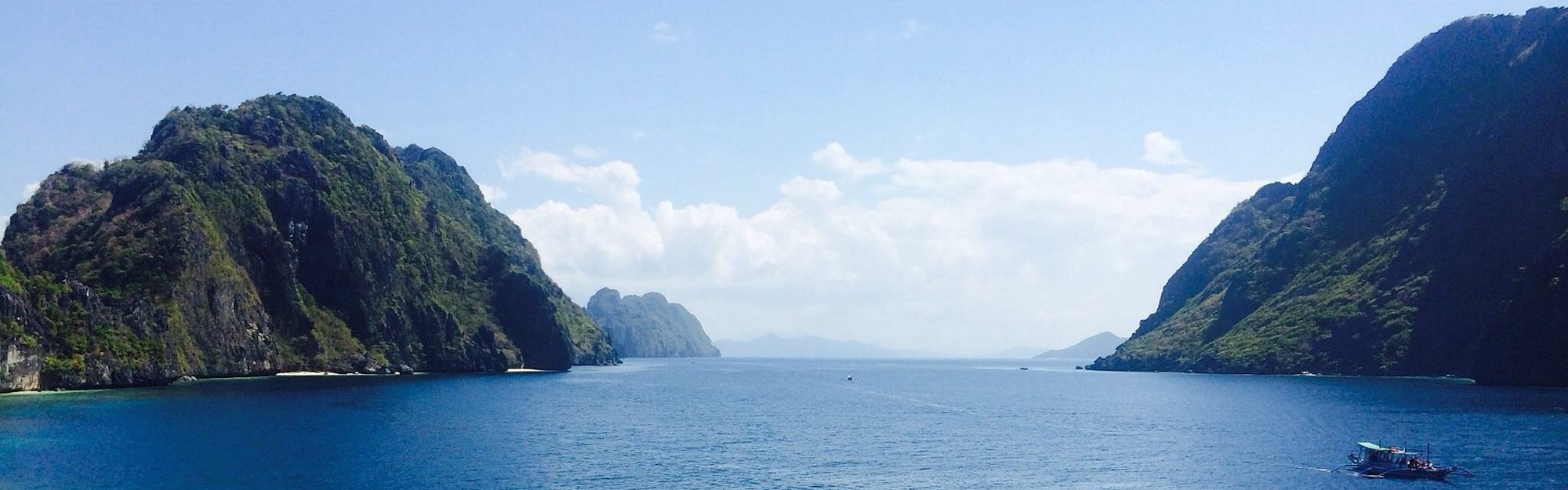
Thousands of islands make up the Philippines, where bustling cities, underwater gardens and lushly beautiful landscapes await travellers who seek a textured Southeast Asian adventure. Lovers of surfing, world-class dive sites and the perfect setting for carefree, beach-flopping days can expect all of the above, along with the richest of cultural experiences.
Manila is the gateway to the country, and is home to a fascinating urban energy, as well as marvellous, Spanish-colonial buildings and cathedrals. Visitors will also find wonderful museums. Island hopping around the archipelago carries a storybook feeling, brought on by the delight of sailing teal seas to gorgeous, jungle-like beaches. The country's many remote, unspoilt regions have a different sort of magnetism, and will speak to hikers and adventure seekers.
All things considered, the Philippines has much to offer, though tourists should follow the safety advice of travel experts when visiting.
Intramuros
Intramuros is one of the oldest parts of Manila. Located on the southern bank of the Pasig River, the walled Spanish enclave is a feast of historic buildings and churches, many of …
Intramuros
Intramuros is one of the oldest parts of Manila. Located on the southern bank of the Pasig River, the walled Spanish enclave is a feast of historic buildings and churches, many of which are being or have been restored. Tourists enjoy several parks, restaurants and galleries in the attractive district, along with learning about its intriguing past as a site of political imprisonment and execution. Today, it's a lush park full of pigeons and flowering trees, where visitors ride along the promenade in horse-drawn carriages. History lovers should stop at the beautifully restored colonial residences in the Barrio San Luis too, which is filled with street artists and food stalls amid a festive atmosphere.
National Museum of the Philippines
The National Museum and Art Gallery of the Philippines showcases the cultural, natural and historical heritage of the islands. The large and comprehensive institution categorises i…
National Museum of the Philippines
The National Museum and Art Gallery of the Philippines showcases the cultural, natural and historical heritage of the islands. The large and comprehensive institution categorises its exhibits in five divisions, namely art, botany, zoology, geology and anthropology. Visitors will find the archipelago's oldest human remains in the museum's collection, as well as the remains of the San Diego Spanish galleon, which sank in Philippine waters in 1600. The institution is clean, well-kept and has good facilities, with photography permitted but not with flash. It remains a deeply interesting museum that is a worthwhile stop for travellers of all ages.
Website www.nationalmuseum.gov.ph
Malacanang Palace
The Malacanang Palace is the seat of government and official residence of the Philippines head of state. Situated on the north bank of the Pasig River, the villa has been a noble r…
Malacanang Palace
The Malacanang Palace is the seat of government and official residence of the Philippines head of state. Situated on the north bank of the Pasig River, the villa has been a noble residence since the 1800s, when it was built for a Spanish aristocrat. Today, visitors will instead find a museum, featuring national treasures, historical artefacts and mementos from each Filipino ruler, including the notorious dictators Ferdinand and Imelda Marcos. The building itself is attractive and the rooms are furnished beautifully, with visitors enjoying great views over the river from some of the windows.
Website http://malacanang.gov.ph/
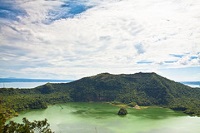
Tagaytay City
Tagaytay is one of the most-visited tourist destinations in the Philippines. Located just south of Manila, the town's most famous attraction is the Taal Volcano. It sits on an isla…
Tagaytay City
Tagaytay is one of the most-visited tourist destinations in the Philippines. Located just south of Manila, the town's most famous attraction is the Taal Volcano. It sits on an island in a lake, with another lake in the vast crater. Filipinos regard Tagaytay as their summer capital, with many of them heading there to escape Manila's challenging seasonal heat. The area provides many recreational opportunities, top hotels and restaurants. Travellers can also visit the 'Palace in the Sky'; an unfinished complex originally built for former president Marcos. Instead, it serves as a park, viewing point and flower arm. Golfing, diving, horse riding, snorkelling and ziplining are among the activities on offer.
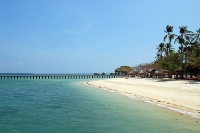
Palawan
The island of Palawan stretches from Luzon towards Malaysia. A must for nature lovers, it's thickly forested and accented by coves, lagoons and limestone cliffs. Puerto Princesa is…
Palawan
The island of Palawan stretches from Luzon towards Malaysia. A must for nature lovers, it's thickly forested and accented by coves, lagoons and limestone cliffs. Puerto Princesa is the primary gateway to the island, sporting hiking trails, spelunking opportunities and an underground river near Sabang. The small, lively beach town of El Nido is Palawan's most popular destination and is geared towards island hopping. From El Nido, travellers can choose to take a boat to the neighbouring island of Busuanga and the town of Coron. They will find fewer niceties than on Palawan's main island, but can explore the island's gorgeous aquamarine lakes and experience some of the best scuba diving in the region. The area is archaeologically significant too, with palaeolithic remains from 22,000 years ago discovered on the island.
Website www.palawan.gov.ph
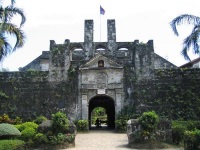
Fort San Pedro
Located in Cebu's wharf area, Fort San Pedro was the centre of the country's first Spanish settlement. Established in 1565, it began as a single triangular bastion and was expanded…
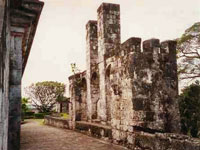
Fort San Pedro
Located in Cebu's wharf area, Fort San Pedro was the centre of the country's first Spanish settlement. Established in 1565, it began as a single triangular bastion and was expanded over the next 200 years. It has served a variety of purposes, such as being a watch-tower against pirate attacks in the 1700s, a prison for local rebels during the Philippine Revolution and a US army barracks. Today, the fort has been turned into a museum park, hosting cultural events, and student guides are usually on hand to show travellers around and share the fort's history.
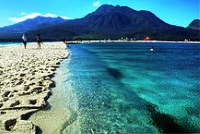
Camiguin
Situated on the north coast of Mindanao, the tiny island of Camiguin is renowned for having more volcanoes than municipalities. It's a relaxing paradise, where hot springs and stun…
Camiguin
Situated on the north coast of Mindanao, the tiny island of Camiguin is renowned for having more volcanoes than municipalities. It's a relaxing paradise, where hot springs and stunning beaches are the order of the day and visitors can climb Mount Hibok-Hibok or snorkel through a cemetery submerged in a volcanic eruption. Culture lovers should stop at some of the island's remaining colonial homes, buildings and churches, with Santa Rosario Church in Sagay and the San Nicolas de Tolentino Church in Mambajao among the island's best.
Website www.camiguin.gov.ph
Davao
A beautiful landscape of hills and fertile valleys surrounds Davao, with Mount Apo towering above all else. The potentially active volcano is the country's highest mountain. Many t…
Davao
A beautiful landscape of hills and fertile valleys surrounds Davao, with Mount Apo towering above all else. The potentially active volcano is the country's highest mountain. Many tribes still inhabit the valleys outside Davao, such as the Bilaan, Bagobo, Mandaya and Manobo. Davao is also in the centre of the country's fruit and flower-growing zone. Travellers who visit in August can enjoy the annual Kadayawan Festival, which celebrates life and gives thanks for a bountiful harvest. Otherwise, the region is home to gorgeous dive sites, remote islands and tropical beaches. Nature lovers may see the endangered Philippine Eagle and the rare Vanda Sanderiana Orchid.
Cebu
The island-province of Cebu is a good springboard for island-hopping in the Visayas. Located in the centre of the Philippine archipelago, it offers travellers easy access to the ca…
Cebu
The island-province of Cebu is a good springboard for island-hopping in the Visayas. Located in the centre of the Philippine archipelago, it offers travellers easy access to the caves, lagoons and dive spots, as well as Carmen, Oslob and Argao beaches. Travellers will find casinos, golf courses and sandy beaches, alongside resort hotels. They should consider visiting in January, when Cebu stages the dazzling Sinulog Festival. Cebu is also the country's oldest Spanish colonial city and has several historic landmarks, such as the original cross planted by Magellan in 1521. Downtown Cebu is dominated by Colon Street, which is the country's oldest street and dates back to the 16th century.
The Chocolate Hills
The Chocolate Hills are Bohol Province's most famous tourist attraction, widely regarded as one of the top ten things to see in the country. Nature lovers will enjoy the area's con…
The Chocolate Hills
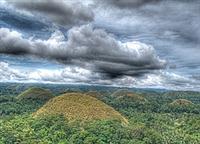
The Chocolate Hills are Bohol Province's most famous tourist attraction, widely regarded as one of the top ten things to see in the country. Nature lovers will enjoy the area's conical hills, numbering somewhere between 1200 and 1800. The geological marvels were formed from grass-covered limestone and turn chocolate-brown near the end of the dry season (April or May). The UNESCO World Heritage Site is among the most alien landscapes travellers will encounter on earth, with the hills particularly captivating at dawn and dusk. Travellers note that climbing up to the viewing platform means scaling a steep stairway, which may be tiring for the unfit or the elderly.
Website www.chocolatehills.net
Puerto Princesa Subterranean River National Park
The Puerto Princesa Subterranean River National Park is located in the province of Palawan, and lies about 36 miles (58km) north of Puerto Princesa. Regarded as one of the New Seve…
Puerto Princesa Subterranean River National Park
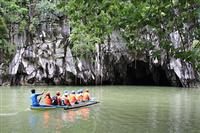
The Puerto Princesa Subterranean River National Park is located in the province of Palawan, and lies about 36 miles (58km) north of Puerto Princesa. Regarded as one of the New Seven Wonders of Nature, the underground river sees a significant number of tourists who can choose from many tour operators. The well-maintained National Park is part limestone karst mountain landscape, and the famed river follows a five mile (8km) course through a large cave complex that ultimately merges with the South China Sea. Visitors will enjoy a guided boat ride through the cave complex, which includes fascinating rock formations and a lively bat population.
Website www.puerto-undergroundriver.com
Bohol
The island province of Bohol lies southeast of Cebu and is one of the loveliest destinations in the Visayas. Travellers find tremendous natural attractions, such as the world's rar…
Bohol
The island province of Bohol lies southeast of Cebu and is one of the loveliest destinations in the Visayas. Travellers find tremendous natural attractions, such as the world's rarest seashells, as well as the tarsier, which is a huge-eyed, insect-eating monkey. When fully grown, it's roughly the size of a fist. Visitors will also enjoy the world-famous Chocolate Hills; a surreal series of between 1200 and 1800 hills resembling scoops of chocolate ice-cream. The weathering of coral deposits formed it many millennia ago, becoming Bohol's greatest natural wonder. Otherwise, travellers can look forward to the region's glorious beaches and top-class scuba-diving sites, with Panglao Island frequently gracing lists of the world's top diving destinations.
Boracay
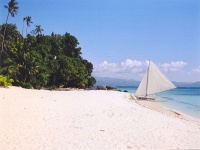
Located in the western Visayas, the tiny, butterfly-shaped island of Boracay is a major hotspot for international sun-lovers. Its powder-white, palm-studded beach is said to glow a…
Boracay
Located in the western Visayas, the tiny, butterfly-shaped island of Boracay is a major hotspot for international sun-lovers. Its powder-white, palm-studded beach is said to glow at night. Visitors will appreciate the island's unspoilt beauty, along with its hotels, restaurants and nightlife. They can also enjoy an array of water sports, such as cliff diving, kiteboarding, snorkelling, windsurfing and scuba diving. Boracay has rightly won multiple awards and deserves its place among the world's top beach resort destinations. The best time to visit is during the Amihan season between October and May, when there is little to no rain and the island's main tourist area is calm and sheltered.
Puerto Galera
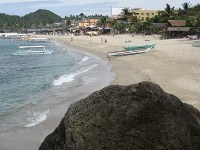
Located on the island of Mindoro, Puerto Galera began as a refuge for Spanish traders in the 16th century. Today, it consists of several towns and beach resorts, which together for…
Puerto Galera
Located on the island of Mindoro, Puerto Galera began as a refuge for Spanish traders in the 16th century. Today, it consists of several towns and beach resorts, which together form one of the country's largest urban areas. Puerto Galera is one of the most sought-after scuba diving locations in the world. Travellers will find many sites within 10 minutes of the three main beaches, where they can explore wrecks, deep trenches and vibrantly colourful reefs. Sabang and White Beach offer an active nightlife, while visitors who want a less-crowded experience should head to one of the island's smaller coves or beaches.