

Country guides
 South & Central America
Venezuela Travel Guide
Venezuela means 'Little Venice' in Spanish, the name given to this northerly country in South America by the early explorers when they found the natives living on the Sinamaica lagoon, in houses built on stilts, close to the present day oil-rich city of Maracaibo.
The people have a reputation for being welcoming and friendly, although there is a problem with street crime in the larger cities, Caracas in particular. Venezuela has an abundance of natural resources, including one of the biggest oil reserves in the world. The resulting revenues have helped build good infrastructure and encouraged the country's leadership to forge an independent path in international relations, but in many ways Venezuela is still a poor country, wrestling with a number of issues. More specifically, its economy is in freefall, with hyperinflation, power cuts, as well as food and medicine shortages forcing millions to leave the country.
Outside of its economic issues, Venezuela is blessed with diverse landscapes, from miles of beautiful Caribbean beaches to open plains, towering mountains, tracts of Amazon rainforest and even a small desert. In the southeast, in Bolivar State, the Gran Sabana National Park contains the spectacular Angel Falls, the world's highest waterfall.
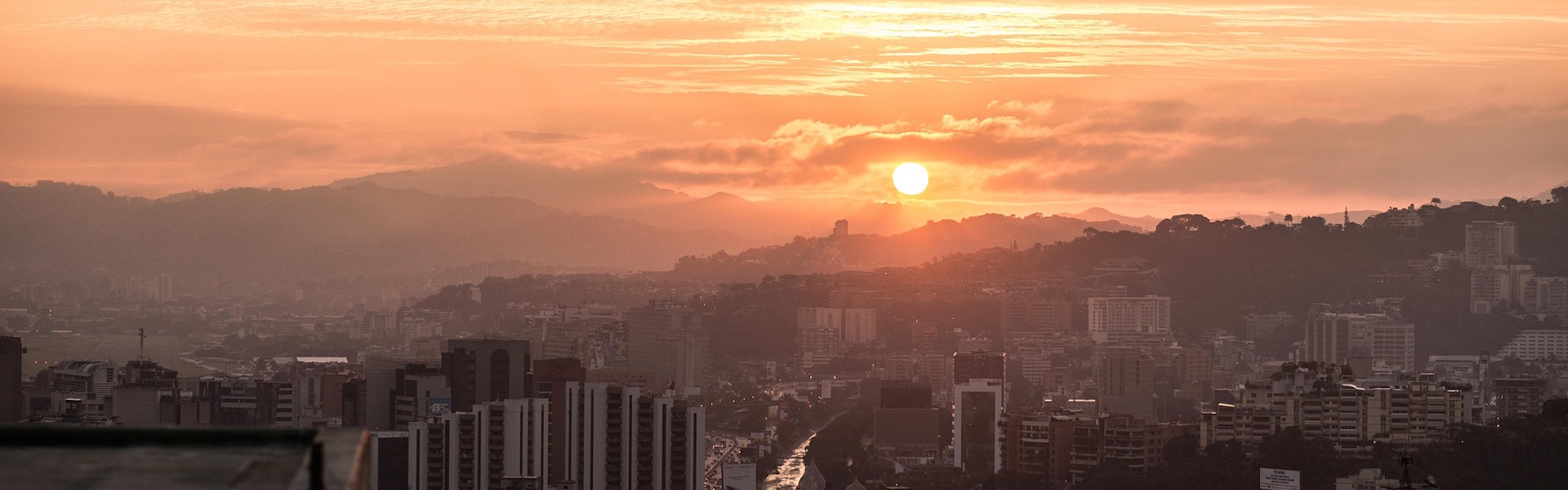
Venezuela's cities are similarly scenic, particularly the capital, Caracas, which sprawls in a long, thin valley flanked by the majestic Avila Mountain. Caracas is lively and green, with a rich cultural life, vibrant nightlife, great restaurants and marvellous modern shopping malls on offer. A favourite excursion in Caracas is to ride the cable car to the summit of the Avila. The popular city of Merida, in the Andes, also has its cable car, and this one takes tourists on a one-hour journey to the highest point in Venezuela, the Pico Bolivar, which reaches more than 16,404ft (5,000m).
Venezuela has a little bit of everything that Latin America has to offer, with the addition of thousands of miles of Caribbean coastline, and the constantly pleasant temperature that makes it good year-round destination. It is not a well-established tourist destination, but for some intrepid travellers this is part of the appeal of Venezuela.